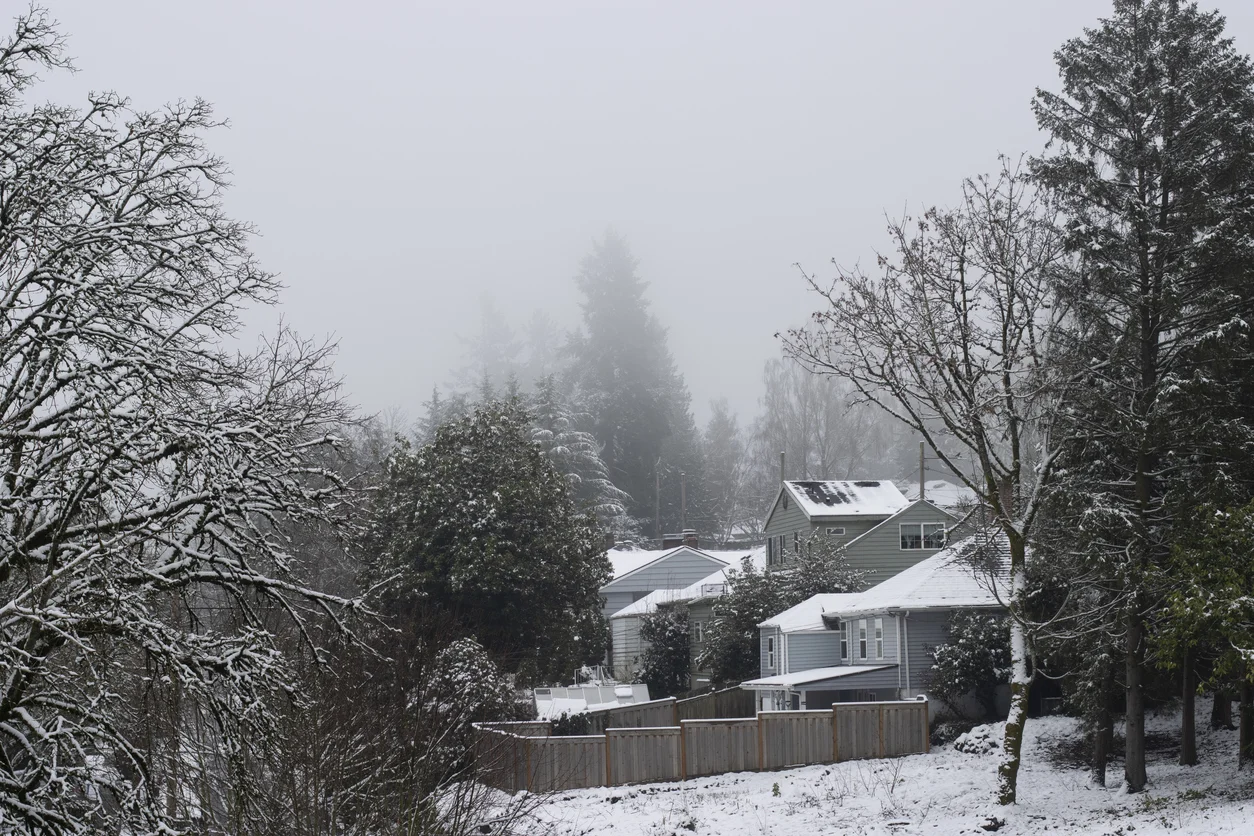

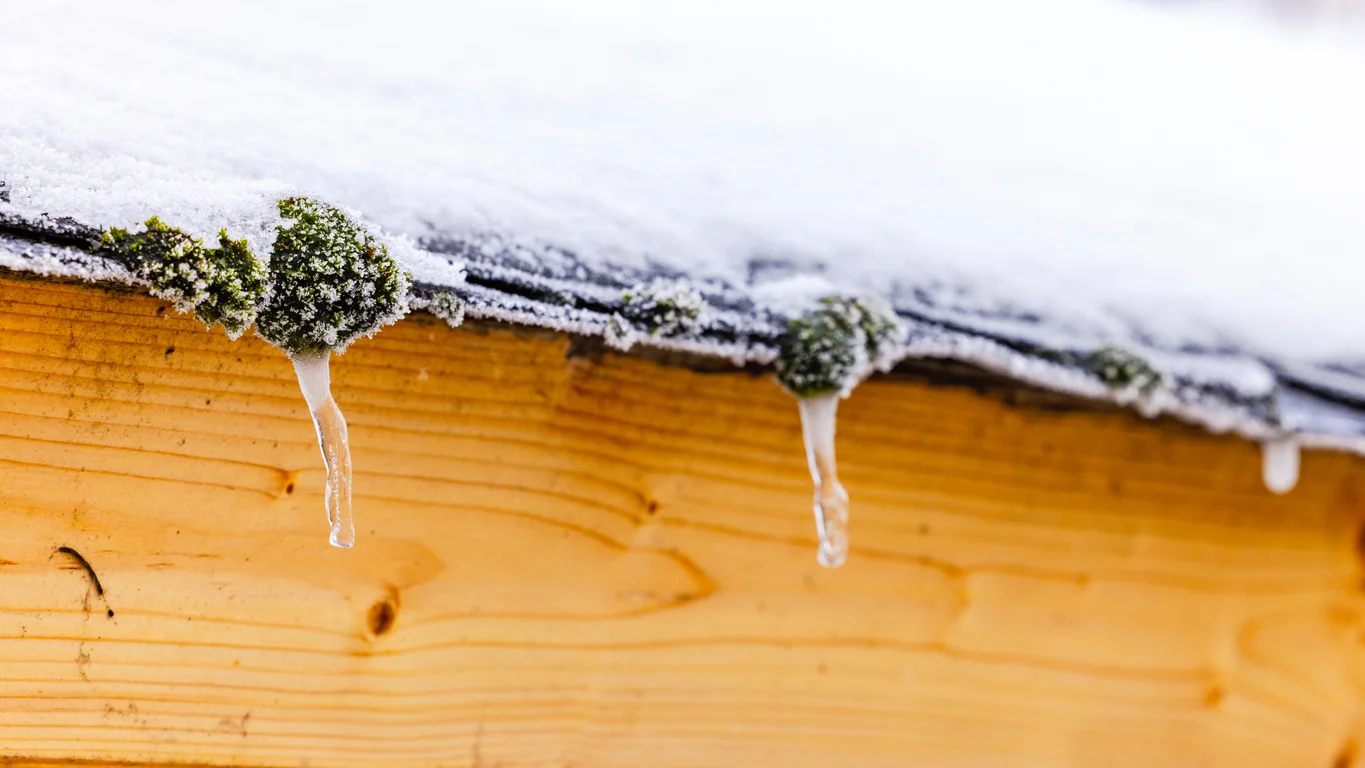
If you’ve ever noticed icicles hanging from gutters or green moss creeping across your shingles, you may have wondered what that means for your roof. While it’s easy to shrug it off as “just winter” or “typical damp weather,” these are actually early warning signs that your roof and attic may not be performing as they should.
Ice dams and moss often appear long before a leak or ceiling stain. Left unchecked, they can shorten your roof's lifespan. Understanding what’s happening and knowing which steps to take puts you back in control.
At Elm Construction Services, we see these patterns year after year. As a GAF Master Elite and Preferred Installer, we work with complete roofing systems designed to manage heat and moisture, not just shed rain. This guide will explain:
How ice dams and moss form
The damage they can cause
Common DIY mistakes to avoid
Long-term solutions that truly protect your roof
Why Ice Dams and Moss Are Red Flags
Ice along roof edges and moss on shingles may look cosmetic, but they reveal deeper issues with heat and moisture flow.
What they indicate:
Ice dams: Warm air escaping into the attic warms the roof from below, causing snow to melt and refreeze at the eaves.
Moss growth: Areas that stay damp too long, often shaded or poorly ventilated, giving moss a foothold.
Potential consequences:
Shingles that curl, crack, or lose granules
Water stains on walls or ceilings
Soft or rotting roof decking
These issues build slowly, which is why homeowners often mistake them as “normal winter wear.” Addressing them early can save time, money, and stress.
How Ice Dams Form
Ice dams aren’t just about snow, they start inside your home.
The process:
Warm air from your living space rises into the attic through gaps or thin insulation.
The roof deck warms slightly, melting snow above.
Meltwater flows toward colder eaves, refreezing along the edge and in gutters.
Over time, water backs up under shingles, potentially reaching the decking and interior walls.
How to prevent ice dams:
Proper attic insulation and air sealing
Balanced ventilation (soffit intake + ridge exhaust)
Ice and water shield underlayment along eaves and valleys
How Moss Affects Your Roof
Moss starts from tiny spores, often landing on cool, shaded, and damp shingles. Once established, moss behaves like a sponge, trapping moisture and damaging shingles over time.
Moss effects on shingles:
Strips protective granules
Accelerates asphalt aging
Lifts shingle edges, allowing water underneath
Speeds up freeze-thaw damage
Patterns of growth tell a story:
Under tree lines: Shade and debris problems
In streaks or patches: Poor ventilation or slow water drainage
Addressing moss is about protecting the roof system as a whole.
DIY Fixes That Can Backfire
Many homeowners attempt to remove ice or moss themselves, but these methods can cause more damage:
Ice dam “fixes” to avoid:
Chipping ice with metal tools (can puncture shingles or gutters)
Using rock salt (corrosive, damages shingles and landscaping)
Moss “fixes” to avoid:
Pressure washing (strips protective granules)
Scrubbing with stiff brushes
Harsh chemical treatments (may damage roofing, siding, or plants)
Safety is another concern, slippery roofs and heavy snow make DIY solutions risky.
Smart Steps You Can Take Now
Even without climbing onto the roof, you can reduce risks with simple, safe actions:
Snow and ice:
Use a roof rake with a long handle to remove snow from lower roof sections
Work in small sections from the ground, away from power lines
Moss and debris:
Trim overhanging branches to increase sunlight and airflow
Remove leaves, needles, and debris from valleys and roof surface
Keep gutters clear to prevent water buildup at eaves
Early moss growth:
Light green film or small patches can sometimes be managed with gentle treatments (consult a professional first).
Long-Term Solutions for Ice Dams and Moss
For lasting protection, treat your roof and attic as a system:
Key components:
Insulation & air sealing: Prevent heat from escaping into the attic, reducing ice dams
Balanced ventilation: Soffit intake + ridge exhaust vents to remove warm, moist air
Underlayments & flashing: Ice and water shields at eaves, valleys, and penetrations; proper step flashing around walls and chimneys
Gutters: Properly sized, pitched, and securely attached to move water away
Moss prevention: Better airflow, sunlight, and careful cleaning; sometimes roof replacement with modern materials is best
When these pieces work together, you protect your roof from the inside out, not just the surface.
How We Evaluate Roofs for Hidden Damage
A thorough inspection goes beyond a quick visual:
Exterior checks:
Ice ridges and icicle patterns
Moss-covered slopes, thickness, and shingle condition
Gutters, downspouts, and lower roof intersections
Attic checks:
Water stains and rusted nails
Damp or compacted insulation
Blocked vents or uneven airflow
By evaluating both the roof and attic, we can distinguish minor cosmetic issues from deeper problems and provide a plan that reduces future risk.
Protect Your Home With a Roof & Attic Plan That Works
Ice dams and moss don’t have to be scary. With proper insulation, ventilation, water management, and maintenance, you can significantly reduce leaks and extend the life of your roof.
Next steps:
Observe early warning signs safely from the ground
Schedule a professional inspection if you notice moss, ice dams, or water stains
Follow a coordinated plan for insulation, ventilation, and roof care
At Elm Construction Services, we combine technical expertise with clear communication, helping you protect your home long-term.
Call (971) 318-5112 to schedule your roof and attic inspection today.